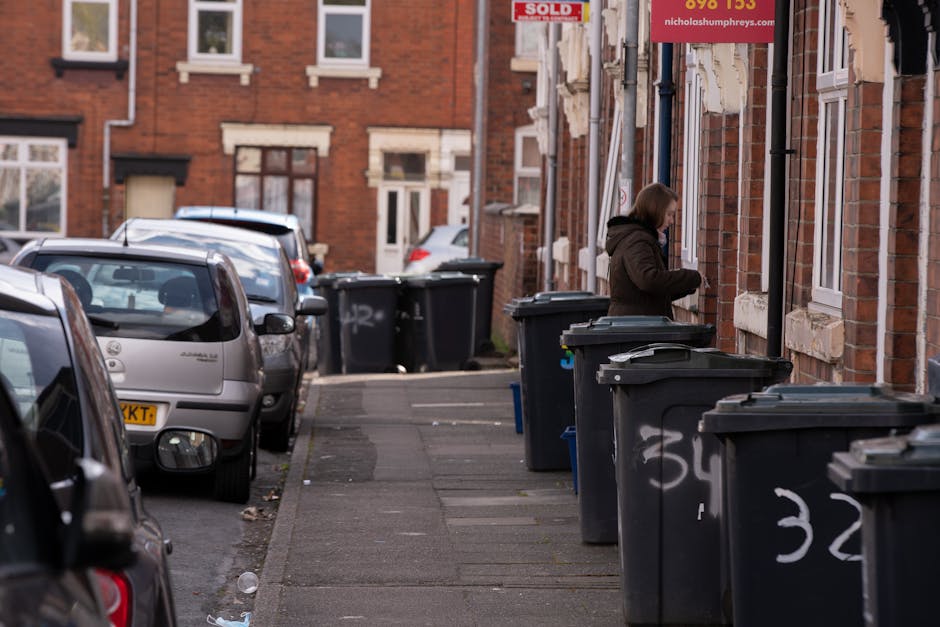
Carshalton Road rubbish clearance tips for Wallington homes
If you live near Carshalton Road in Wallington, rubbish can build up faster than you expect. A hallway full of broken furniture, an overgrown garden pile, a loft you've been meaning to tackle for months - it all tends to arrive at once, usually on a damp Saturday when you'd rather be doing anything else. These Carshalton Road rubbish clearance tips for Wallington homes are designed to make the job calmer, safer, and far more efficient.
Whether you're clearing out a flat, a family house, a driveway, or a side return tucked between neighbours, the basics are the same: sort properly, choose the right removal method, and avoid the common mistakes that turn a simple clearance into a headache. In this guide, you'll get practical advice, local considerations, and a few useful comparisons so you can decide what works best for your home, your space, and your timetable.
For readers comparing disposal options, it can also help to review what can go in a skip and the wider skip hire options before booking anything. A little planning goes a long way, honestly.
Table of Contents
- Why it matters
- How rubbish clearance works
- Key benefits and practical advantages
- Who this is for
- Step-by-step guidance
- Expert tips for better results
- Common mistakes to avoid
- Tools, resources and recommendations
- Law, compliance, standards and best practice
- Options, methods, and comparison
- Case study or real-world example
- Practical checklist
- Conclusion
- Frequently asked questions
Why Carshalton Road rubbish clearance tips for Wallington homes Matters
Rubbish clearance sounds simple until you actually start moving things. Then you notice how quickly one pile becomes three, how heavy old items feel once they've been carried downstairs, and how awkward bulky waste can be in a typical Wallington home. Carshalton Road has the kind of everyday residential layout where access matters: narrow drives, shared boundaries, front gardens, side passages, and the occasional "where on earth do we put this?" moment.
That's why good rubbish clearance tips are not just about tidiness. They help you protect floors, save time, reduce lifting injuries, and avoid dumping materials in the wrong place. They also help you decide whether a skip, a wait-and-load service, a man and van collection, or a grab-lorry-style solution is the better fit for the job.
To be fair, many homeowners only think about clearance after a small problem becomes a large one. A loft gets blocked. A garage starts housing everything except the car. The garden sheds two years of DIY scraps. Once that happens, the issue is no longer "how do I get rid of this?" It becomes "how do I get rid of this without causing more mess?"
That is where a structured approach matters. It makes a surprisingly big difference.
How Carshalton Road rubbish clearance tips for Wallington homes Works
At a practical level, rubbish clearance usually follows a simple pattern: assess, sort, remove, and dispose responsibly. The details change depending on the size of the load and the type of waste, but the sequence stays similar.
1. Assess the waste
Start by identifying what you actually have. Loose mixed rubbish behaves differently from builders' rubble, green waste, old appliances, or furniture. A couple of bags may be fine for a quick collection. A full house clear-out might need something larger and more organised.
2. Separate the materials
Sorting early saves time later. Keep general household waste apart from recyclable materials where you can. Separate any hazardous or restricted items straight away. If you are unsure about certain materials, the page on what can go in a skip is a useful place to sense-check your load before you commit.
3. Choose a collection method
This is usually where the decision gets interesting. A domestic skip hire option works well for longer clear-outs and ongoing projects. A wait and load skip hire approach suits homes with tighter access or no permit-friendly space. If the waste is awkward, heavy, or spread around the property, grab hire services can be a smart alternative.
4. Load safely and sensibly
Put heavy items first and keep the load stable. It sounds basic, but this is where people often get it wrong. A skip packed badly becomes harder to use and more annoying to clear. A neat load can save multiple trips and a fair bit of stress.
5. Dispose responsibly
Responsible disposal is not just a nice extra. It should be the standard. Reusable items may be separated, recyclable materials should be handled properly, and anything classified as hazardous needs special care. That is especially true for fridges, appliances, and items with oils, gases, or electrical parts.
Key Benefits and Practical Advantages
A good rubbish clearance plan gives you more than a cleaner space. It changes how the whole project feels.
- Less stress: once the waste plan is sorted, the rest of the job feels manageable.
- Safer moving and lifting: you reduce the chance of trips, cuts, and back strain.
- Better use of space: a cleared driveway, hallway, or garden gives you room to work.
- Cleaner finish: the final result looks better when waste is removed properly, not just moved around.
- More control over costs: choosing the right disposal method helps avoid paying for more capacity than you need.
- Better recycling outcomes: separating materials early makes reuse and recycling easier.
There's also a practical lifestyle benefit that people often overlook. A clear home feels easier to live in. The noise of clutter goes down, mentally as much as physically. That matters when you're trying to keep a household running during a renovation, a move, or simply a big seasonal tidy-up.
If you want a sense of the wider service landscape, pages such as rubbish removal, man and van, and house clearance help show how the options differ. Not every job needs the same tool. Thank goodness for that.
Who This Is For and When It Makes Sense
This kind of guidance helps a wide mix of Wallington homeowners and landlords. If you live on or near Carshalton Road, you may recognise one of these situations.
- Homeowners clearing after a refurb: old plasterboard, broken units, packaging, timber offcuts, and general mess can mount up fast.
- Families doing a seasonal purge: lofts, sheds, garages, and spare rooms often become long-term storage by accident.
- Landlords between tenancies: a property may need a fast reset after tenants move out.
- Garden owners: hedge cuttings, soil, branches, and worn-out garden furniture need separate handling.
- People moving house: moving is the perfect time to dump what you do not really want to carry to the next place.
- Anyone with bulky items: sofas, mattresses, fridges, and broken appliances are awkward enough to justify a proper plan.
It also makes sense if you have limited driveway access, shared parking, or neighbours close by. Those are exactly the situations where a rushed clearance turns messy. Sometimes the right answer is not "how do I move this?" but "how do I move this without blocking the whole street?"
Step-by-Step Guidance
If you want a simple way to approach rubbish clearance at home, use this process. It is practical, not fancy, and it works.
- Walk the property first. Go room by room, including loft, garage, shed, and garden. Make notes. Take photos if that helps.
- Group items by type. Put furniture, green waste, DIY waste, electronics, and general rubbish into separate piles where possible.
- Remove obvious hazards. Glass, sharp metal, and damaged items should be dealt with early so nobody gets hurt later.
- Check the awkward items. Fridges, freezers, mattresses, sofas, and electrical items often need special handling. Consider fridge and appliance removal or mattress and sofa disposal if those are on your list.
- Decide on access. Can a skip be placed safely? Is there space for loading? If not, a wait and load skip hire or grab lorry hire approach may be easier.
- Estimate the volume. A small load, a half-full garage, and a full house clear-out are very different jobs. Check skip sizes and prices before deciding.
- Book the method that matches the waste. For general domestic jobs, domestic skip hire is often straightforward. For heavier or mixed site waste, the best choice may be different.
- Load in a controlled order. Put the heaviest items first and fill gaps carefully. Don't just throw everything in and hope for the best. That rarely ends well.
- Finish with a final sweep. Check corners, under units, and behind garden furniture. The last ten minutes often make the biggest visible improvement.
Expert Tips for Better Results
Here's the part that saves time in the real world.
First, separate "waste" from "stuff you might still use." That sounds obvious, but people often skip it. If an item might be donated, sold, or reused, set it aside before you start loading rubbish. Once everything is mixed together, that decision gets harder.
Second, think about the route out of the property. A bit of planning avoids scratched walls and broken door frames. If your hallway is tight, line it with something protective before moving bulky items. In older Wallington homes, especially, narrow turns can be the annoying bit nobody remembers until they're carrying a wardrobe past the banister. Fun times.
Third, keep weather in mind. A damp morning can make cardboard collapse, green waste smell stronger, and surfaces slippery. If you are clearing the garden, do the dry materials first if you can. It's a small thing, but it helps.
Fourth, don't overload the wrong solution. Bigger is not always better. If you only have a modest load, a smaller service can be more efficient and less intrusive. If the waste is bulky but light, a different method may be better than a standard skip.
Fifth, ask where the waste will go. A trustworthy provider should be clear about sorting and recycling practices. That matters for peace of mind, and for the environment too. You can also review recycling and sustainability to understand the broader approach.
Sixth, plan around your neighbours. On a residential road, it is just considerate. Avoid early-morning noise if you can, keep loading tidy, and do not let waste sit out longer than necessary. A little courtesy goes a long way.
Common Mistakes to Avoid
Most rubbish clearance problems come from a handful of predictable mistakes. Once you know them, they are easy enough to dodge.
- Underestimating the amount of waste: the classic mistake. What looks like two van loads often turns into four.
- Mixing restricted items with general rubbish: some materials need special handling, so don't assume everything can go together.
- Ignoring access constraints: a driveway may look fine until the truck arrives. Measure first if space is tight.
- Poor loading order: unstable piles waste space and make collection harder.
- Leaving sorting until the end: this usually creates extra work and, frankly, more mess.
- Forgetting about permits or placement issues: if a skip is not going wholly on private land, check the rules and relevant permissions first.
- Using the wrong service for bulky items: a mattress, fridge, or sofa is often easier with a dedicated solution than a general pile of waste.
And one more thing: don't let the job become a weekend that grows teeth. If the clearance is already becoming too much, switch to a more suitable service before it turns into a saga.
Tools, Resources and Recommendations
You do not need a warehouse full of gear to clear rubbish properly. A few simple tools and a sensible plan are enough for many home jobs.
- Heavy-duty gloves: useful for glass, timber, old fixtures, and rough edges.
- Sturdy refuse sacks: especially for mixed lightweight waste and loose debris.
- Wheelbarrow or sack truck: handy for garden waste and heavier items.
- Protective sheets or cardboard: useful for hallways and floor protection.
- Labels or marker pens: help when you are sorting items into keep, donate, recycle, or remove.
- Basic measuring tape: surprisingly useful when checking skip placement or access width.
On the service side, these pages can help you compare practical options: skip permits if placement is an issue, enclosed and lockable skip hire if security matters, and same-day skip hire if time is tight.
If you are dealing with a mixed clearance rather than a simple bin load, the combination of grab hire services and man and van may be more suitable than a one-size-fits-all approach. Different jobs, different tools. Simple as that.
Law, Compliance, Standards, or Best Practice
Rubbish clearance is practical work, but there are also legal and safety responsibilities to keep in mind. In the UK, householders still have a duty of care to ensure waste is handled properly. That means you should use reputable disposal routes, avoid fly-tipping, and be careful with items that need special handling.
A few points are worth keeping in mind:
- Hazardous materials: items such as chemicals, certain paints, batteries, gas bottles, and some electrical waste can require separate disposal. If in doubt, treat them cautiously and use a suitable specialist route such as hazardous waste disposal.
- Electrical and white goods: fridges and freezers need particular care because of gases and components inside them.
- Heavy waste: builders' rubble, soil, and similar waste can be heavy very quickly, so do not guess the load.
- Public highway placement: where a skip may be placed on a road, permit requirements can apply. It is worth checking before booking.
- Safe lifting: if something feels too heavy for one person, it probably is.
Good operators should also have sensible policies around safety, insurance, and payment security. If you are comparing providers, these pages are worth a look: health and safety policy, insurance and safety, and payment and security.
Best practice is straightforward: keep waste separated where practical, don't overfill containers, don't hide restricted items under general waste, and use clear communication when arranging collection. Nothing glamorous there, but it prevents most problems.
Options, Methods, or Comparison Table
Choosing the right clearance method depends on space, speed, waste type, and how much effort you want to put in. Here's a plain-English comparison.
| Method | Best for | Pros | Watch-outs |
|---|---|---|---|
| Domestic skip hire | Ongoing home clear-outs, renovation waste, garden jobs | Simple, flexible, suitable for larger volumes | May need space and possibly a permit |
| Wait and load | Homes with limited parking or no long-term space | Quick, tidy, no skip left outside | Needs the waste to be ready promptly |
| Grab hire services | Heavy, bulky, or mixed waste that is awkward to move | Good reach, useful for piles and loose material | Requires suitable access for the vehicle |
| Man and van | Smaller clearances, ad hoc items, mixed household waste | Flexible and convenient | May be less efficient for large volumes |
| Rubbish removal | General home waste and one-off tidy-ups | Minimal effort for the homeowner | Check what items are accepted before booking |
For a lot of Wallington homes, the choice comes down to access. If the waste can be gathered quickly and the vehicle can load safely, one service may fit beautifully. If not, it is better to switch tactically rather than force the wrong solution.
Case Study or Real-World Example
Here's a realistic example from the kind of job many homeowners face in Wallington.
A family near Carshalton Road had spent two years gradually filling a garage with broken shelving, old children's toys, half-used decorating materials, a damaged bike, and several bags of household clutter. They assumed it would take an entire day just to sort it, never mind remove it. By the time they started, the garage smelled faintly of damp cardboard and dust - the sort of smell every British garage knows far too well.
Instead of trying to drag everything out in one frantic rush, they split the job into three simple stages:
- They pulled out obvious keep-and-donate items first.
- They separated bulky items and checked which needed specialist disposal.
- They arranged a clearance method that suited the volume and access available.
The result was calmer, cleaner, and much faster than they expected. The family kept the items worth keeping, recycled what they could, and cleared enough space to use the garage properly again. No drama. No last-minute panic. Just a decent result and a much less cluttered home.
That is usually how good clearance jobs go in real life. They are not heroic. They are organised.
Practical Checklist
Use this checklist before you book or begin:
- Walk through the property and note all waste types
- Separate reusable, recyclable, and general rubbish
- Identify hazardous or restricted items early
- Measure access routes, driveway space, and loading area
- Decide whether the job suits skip hire, wait and load, grab hire, or man and van
- Check whether a permit may be needed for road placement
- Review what items are accepted before you load them
- Protect floors, walls, and garden surfaces if moving waste through the home
- Prepare heavy items first and keep loads stable
- Confirm collection timing so rubbish does not sit around longer than necessary
Quick expert summary: the best rubbish clearance jobs are usually the ones planned just enough to avoid panic, but not so overcomplicated that you spend longer organising than clearing. Keep it simple. Keep it safe. Keep it moving.
Conclusion
Carshalton Road rubbish clearance tips for Wallington homes come down to a few simple principles: sort the waste, choose the right method, think about access, and don't leave awkward items until the end. Once you do that, the job becomes much more manageable, whether you're clearing a garden, a garage, a loft, or an entire property.
The biggest win is usually not speed. It is confidence. When you know what goes where, what needs special handling, and which service fits the job, the whole process feels less like a burden and more like progress. And that, truth be told, is what most homeowners really want.
If you are still weighing up your options, take a moment to compare the practical details, not just the headline price. A slightly better-fitting service can save a lot of hassle on the day. Sometimes that is the real saving.
Get a free quote today and see how much you can save.
Clear space has a way of making a home feel lighter. One tidy corner leads to another, and before long the whole place starts to breathe again.
Frequently Asked Questions
What is the best rubbish clearance option for a Wallington home?
It depends on the size and type of waste. For larger domestic clear-outs, domestic skip hire is often practical. For tight access, wait and load skip hire can be easier.
Do I need a permit for a skip on Carshalton Road?
If the skip is going on a public road or highway, a permit may be needed. If it stays entirely on private land, it may not. It is sensible to check placement before you book and to review skip hire permits.
Can I put mixed household rubbish in a skip?
Often, yes, but not everything belongs together. Check the load carefully and make sure you know what is accepted. The guide on what can go in a skip is a good starting point.
What should I do with fridges, freezers, and other appliances?
These items should be handled separately because they may contain components that need special disposal. A dedicated fridge and appliance removal service is often the simplest option.
Is wait and load better than skip hire?
Not always. It is better when space is limited or you do not want a skip left outside. Skip hire can be better for larger or longer jobs. The right choice depends on your access, timing, and waste volume.
How do I avoid overloading a clearance job?
Start by grouping waste by type and estimating volume before you book. If you are unsure, it helps to compare skip sizes and prices so you can match the load more accurately.
Can builders' waste and home rubbish go together?
Sometimes mixed waste is possible, but builders' materials such as rubble, timber, plasterboard, and fittings can change the disposal requirements. If you are dealing with renovation debris, look at builders waste removal or builders skip hire options.
What if I need rubbish cleared quickly?
If timing is tight, same-day or fast collection options may help, depending on availability. In urgent situations, same-day skip hire can be worth checking.
Are hazardous items included in normal rubbish clearance?
No, not usually. Paints, chemicals, batteries, gas bottles, and certain electrical items can need special handling. If you have anything questionable, treat it separately and look at hazardous waste disposal.
What is the safest way to move bulky furniture out of the house?
Use two people if possible, clear the route first, and protect walls and floors. For sofas and mattresses, dedicated disposal services can be much easier than trying to force them into a general pile.
Can rubbish clearance help before a house move?
Absolutely. Moving house is one of the best times to clear clutter. It reduces what you have to pack, carry, and unpack at the other end. A house move already brings enough chaos, let's be honest.
How do I know whether to choose a man and van service?
If you have a smaller, mixed load and want a simple, flexible collection, a man and van service can be a good fit. It is often a practical middle ground between doing it yourself and hiring a larger container.
Where can I learn more about the company and its standards?
You can read more on the about us page and review the site's policies on safety, security, and sustainability. Those pages help set expectations before you book anything.