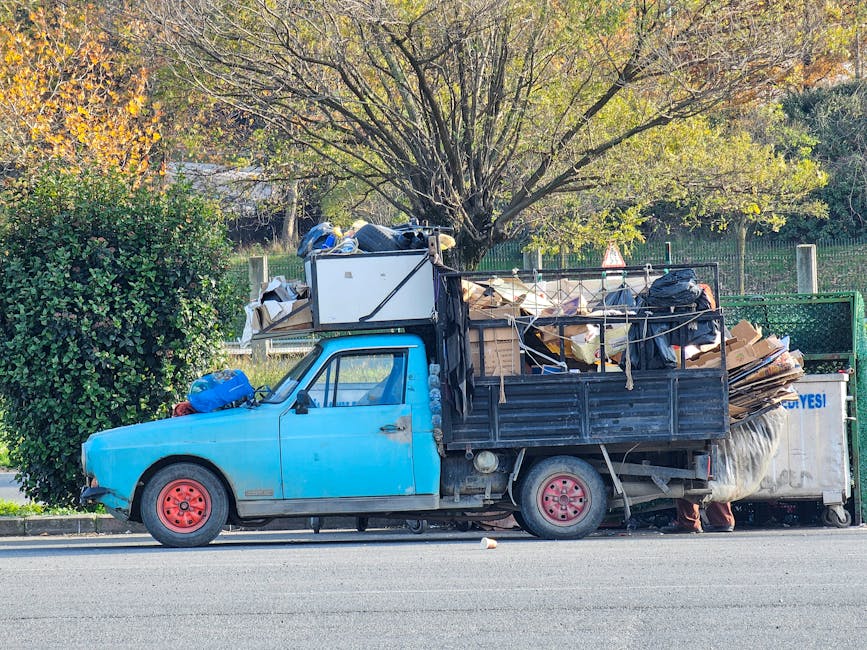
Beddington Park bulky rubbish pickup and recycling in Wallington
If you are trying to clear bulky rubbish near Beddington Park, the job can look simple at first and then suddenly turn awkward. A sofa is easy enough to picture. A broken wardrobe, two old mattresses, a few bags of mixed junk, and a heap of garden cuttings? That is where planning matters. This guide explains Beddington Park bulky rubbish pickup and recycling in Wallington in a practical, local way, so you can decide what to move, what to recycle, and which service fits the job without overcomplicating it.
Truth be told, most people do not need a grand waste strategy. They just need the mess gone, safely and properly, with as little hassle as possible. That is exactly what this article is here to help with. We will cover pickup options, recycling routes, common mistakes, and a sensible step-by-step process, plus a few local considerations that are easy to miss when you are in a hurry.
Contents
- Why Beddington Park bulky rubbish pickup and recycling in Wallington Matters
- How Beddington Park bulky rubbish pickup and recycling in Wallington Works
- Key Benefits and Practical Advantages
- Who This Is For and When It Makes Sense
- Step-by-Step Guidance
- Expert Tips for Better Results
- Common Mistakes to Avoid
- Tools, Resources and Recommendations
- Law, Compliance, Standards, or Best Practice
- Options, Methods, or Comparison Table
- Case Study or Real-World Example
- Practical Checklist
- Conclusion
- Frequently Asked Questions
Why Beddington Park bulky rubbish pickup and recycling in Wallington Matters
Bulky waste is different from everyday bin waste. One old armchair, a damaged chest of drawers, or a pile of garden waste may not sound like much, but these items take up space quickly and can become a nuisance if they sit around. In a residential area like Wallington, that means driveways blocked, front gardens looking untidy, and rubbish becoming an eyesore for neighbours. It also tends to linger. A forgotten pile has a funny way of growing into another pile.
Recycling matters just as much as removal. A good bulky rubbish pickup should not simply take everything away and tip it into a mixed load without thought. Sortable materials such as metal, wood, cardboard, clean hardcore, and some appliances can often be handled in ways that reduce waste going to landfill. That does not mean every item is recyclable, of course. Some things are awkward, contaminated, or simply not suitable. But separating the easy wins helps.
For households near Beddington Park, the practical reason is simple: you want a clear, clean space again, but you also want to handle the waste properly. That balance is where a local service becomes useful. If your load is a little more mixed than you hoped, a rubbish removal service can be a straightforward option. If the job is more about sorting and loading over a longer period, then domestic skip hire may suit you better.
How Beddington Park bulky rubbish pickup and recycling in Wallington Works
In practice, bulky rubbish pickup usually starts with a description of what you have. The more accurate you are, the better the recommendation will be. A service provider will want to know whether the load is mostly furniture, mixed household junk, garden waste, renovation debris, or a combination of several types. That is not nitpicking. It affects vehicle choice, labour, recycling route, and whether anything needs special handling.
There are usually three broad approaches. First, a man-and-van style pickup, which works well for smaller or awkward loads. Second, a skip, which is useful if you are clearing as you go or doing a bigger declutter. Third, grab hire, which is handy where waste is heavy, bulky, or stacked in a place that is awkward to load by hand. If you are unsure, man and van and grab hire services are both worth comparing before you book.
Recycling happens after collection. In a well-run operation, waste is assessed, sorted, and directed into the most suitable stream available. For example, a sofa may be dismantled, metal separated, timber recovered where possible, and upholstery managed according to its condition. Garden waste can be treated separately through garden waste removal, while old appliances may need a dedicated route such as fridge and appliance removal. That sort of separation improves the chance of recycling and helps avoid contamination.
A small but important detail: access changes everything. A clear path, decent parking space, and a short carry distance can make a pickup quick and tidy. Tight access, basement storage, or a back-garden pile behind a narrow side return will take longer. Nothing dramatic. Just reality.
Key Benefits and Practical Advantages
The obvious benefit is convenience, but there is more to it than that. A good bulky rubbish pickup saves time, reduces stress, and gives you a definite finish line. That last part matters more than people expect. When waste is still sitting there, the job never feels done. Once it is gone, the room or garden immediately feels lighter.
There is also a recycling benefit. Choosing a service that handles sorting responsibly gives materials a better chance of being reused or recovered. That is especially helpful for mixed clearances where one item may be recyclable and the next one definitely is not. The process does not have to be perfect to be worthwhile. A few smart decisions make a real difference.
Other practical advantages include:
- Less physical lifting and fewer trips to a disposal site.
- Quicker turnaround for home clearances, refurbishments, and garden projects.
- Better handling of awkward items such as broken furniture or white goods.
- Cleaner, safer access around the property.
- More predictable disposal, especially if you need a fixed collection window.
If the items are too large for standard bins and too awkward to carry yourself, a professionally planned pickup is often the most sensible route. For larger household jobs, house clearance can be a very neat solution. For lofts, garages, and the sort of space where old boxes mysteriously breed, garage and loft clearance often fits better.
Who This Is For and When It Makes Sense
This kind of service is useful for a wide mix of people. In our experience, the biggest demand comes from homeowners who have reached that point where the spare room can no longer be called spare, because it is holding a broken bed frame, half a wardrobe, and a vacuum cleaner from 2011. It happens. Life gets busy.
It also makes sense for landlords between tenancies, people clearing a property after a move, families sorting out inherited items, and anyone doing a seasonal reset. Spring and early summer are busy times, but the same pattern appears in autumn too, when gardens are cut back and people finally tackle the shed. There is nothing fancy about it. Just a lot of rubbish that has been waiting patiently.
Businesses can benefit too. Small offices, shops, and local trade spaces often accumulate broken furniture, outdated stock, packaging, and general clutter. If your situation is commercial rather than domestic, then commercial skip hire or office clearance may be more practical than a one-off household pickup.
It also makes sense when you have mixed waste and a limited window. For example, if the removal needs to happen before decorators arrive or before a property viewing, you may prefer a faster collection route. In those cases, same day skip hire or wait and load skip hire can be worth considering.
Step-by-Step Guidance
If you want the process to feel manageable, break it down. That is usually the best way. Here is a simple approach that works well for Beddington Park bulky rubbish pickup and recycling in Wallington.
- Sort the waste into broad groups. Separate furniture, green waste, appliances, construction debris, and anything suspicious or hazardous.
- Check for re-use first. A usable table or chair may be suitable for donation or resale, while broken items should go into the disposal stream.
- Measure the awkward items. A sofa might look manageable until you try to turn it through a narrow hallway. Been there, seen that.
- Decide whether you need loading help. If you have heavy or bulky items, labour support can save your back and your wall paint.
- Choose the method that matches the job. A skip is useful for ongoing clearance, while a pickup can be better for a one-off collection.
- Check access and parking. If the vehicle needs to wait outside, make sure there is enough room and no obvious obstruction.
- Confirm what can and cannot be taken. Appliances, mattresses, and certain materials may need specific handling.
- Book the collection and prepare the area. Put everything in one place if possible. Clear the route. Save time on the day.
- Keep recycling separate where practical. Wood, metal, and green waste are easier to process when they are not mixed with general junk.
If your rubbish is already gathered and you just need it gone efficiently, wait and load skip hire can be a very tidy option. If you prefer a container on site while you work through the pile gradually, skip hire gives you more breathing room.
Expert Tips for Better Results
One of the best ways to save money and avoid stress is to keep waste streams as clean as possible. Mixed waste is slower to handle and can be harder to recycle. If you can keep wood away from green waste, and appliances away from general clutter, you are already improving the result. Simple, but effective.
Another useful tip is to think about access before collection day. Move cars, unlock gates, and clear a path to the pile. A ten-minute tidy-up can shorten the job quite a bit. You will notice the difference immediately, especially if the waste is tucked into a back garden or garage.
For renovation jobs, do not forget that some materials need special care. Plasterboard, soil, rubble, and mixed builders waste are not the same thing. If your pile includes DIY debris, then builders waste removal or construction waste disposal may fit better than a general clearance. For heavier ground-level loads, muck away services can also be worth a look.
A slightly underrated tip: photograph the load before booking. It helps you remember what is included and avoids the classic, "Oh, I forgot about the bits behind the shed" moment. That happens more than people admit.
Common Mistakes to Avoid
The first mistake is underestimating volume. Bulky rubbish fills space fast. What looks like a small pile from the kitchen window can become a serious load once it is moved into the driveway. Furniture, especially, has a habit of taking up more room than you think.
The second mistake is mixing in items that need separate handling. Hazardous materials, chemicals, paint tins, gas bottles, and some electrical items should not be thrown into a general pile without checking. If you are unsure, speak before collection. A little caution now saves trouble later. For anything potentially risky, hazardous waste disposal is the safer route.
The third mistake is leaving everything until the last minute. A rushed pickup booking can mean awkward access, no sorting time, and unnecessary stress. If you are preparing for builders, moving house, or handling a probate clearance, give yourself a bit of daylight. Even one extra day helps.
The fourth mistake is assuming all old appliances are fine to place with general rubbish. Some items need dedicated handling, and fridges in particular are not just "another box with a motor." They need the right route. That is where fridge and appliance removal becomes useful.
And yes, one more: forgetting to ask about recycling. If a provider does not explain how they handle the load, ask. A good service should be able to talk clearly about sorting and recovery without sounding vague.
Tools, Resources and Recommendations
You do not need specialist kit for most domestic clearances, but a few basic tools make the job cleaner and safer. Gloves, a sack trolley, strong refuse sacks, tape, and a measuring tape will do a lot of heavy lifting in planning terms. Literally, in some cases.
For bigger jobs, a vehicle with good loading access matters more than most people realise. That is where a grab lorry can be useful if the waste sits at ground level and can be reached over a wall, fence, or driveway edge. If that sounds like your situation, grab lorry hire can save labour and time.
It is also worth using clear category labels before collection: keep recycle, reuse, dispose, and check first in separate piles where possible. That tiny bit of structure helps prevent contamination. A sharpie and a few notes on old boxes can be surprisingly useful, not glamorous, but useful.
If your goal is to compare containers, collection speed, and overall flexibility, the pages on skip sizes and prices and what can go in a skip are especially handy. If the job includes a mix of waste from a renovation or clearance, site clearance may also be relevant.
Law, Compliance, Standards, or Best Practice
Waste should be handled responsibly, even for ordinary domestic clear-outs. In the UK, the practical rule of thumb is simple: use a legitimate waste carrier, keep waste separated where sensible, and make sure anything hazardous is treated properly. You do not need to become an expert in regulations, but you should expect your provider to operate sensibly and lawfully.
Best practice also includes traceability and care with restricted items. Some materials are unsuitable for mixed collection, and some require specialised handling for safety reasons. Fridges, certain electricals, paints, solvents, sharp objects, and anything that could leak, ignite, or contaminate other waste should be flagged in advance. That is not over-cautious; it is just good practice.
For businesses and landlords, compliance matters even more because the waste is often generated in a commercial context. Keeping records, using a reputable collection method, and understanding what has been removed can reduce headaches later. If your project is trade-related, you may want to compare options alongside builders skip hire or construction waste clearance.
And one practical note: if you are not sure whether something is permitted, do not guess. Ask first. The time saved is worth it.
Options, Methods, or Comparison Table
Different waste jobs call for different approaches. The best method depends on volume, access, and how quickly you want the space cleared. Here is a simple comparison to help you choose.
| Method | Best for | Advantages | Watch-outs |
|---|---|---|---|
| Rubbish removal | One-off bulky items or mixed domestic waste | Fast, flexible, minimal effort from you | May be less suitable for ongoing clearance |
| Skip hire | DIY, decluttering, longer jobs, staged loading | Good if you want time to sort and fill gradually | Needs space and may require permit planning |
| Wait and load | Quick clearances where waste is ready to go | No skip left on site, tidy and efficient | Needs the load prepared in advance |
| Grab hire | Heavy waste, soil, rubble, awkward ground-level piles | Very efficient for bulky or weighty material | Less ideal for waste stored far from access |
If you are dealing with a tight street, access constraints, or a location where a static container would be awkward, it is worth looking at skip permits or skip permits before booking. If access is straightforward, the choice becomes simpler. Sometimes the best option is the one that gets out of the way fastest.
Case Study or Real-World Example
Imagine a typical weekend clear-out near Beddington Park. A family has three bulky items in the front room, a dismantled bed frame upstairs, and a pile of old garden waste from a hedge cutback at the back of the property. Nothing outrageous, just enough to make the house feel cluttered and a bit tired.
They start by separating the green waste from the furniture. The garden cuttings go into one pile because they can be handled through a greener route, while the furniture and bed frame are grouped together for a pickup. A fridge in the utility room is added to a separate list because it needs special treatment. That small bit of organisation makes the collection smoother and reduces the chance of contamination.
On the day, the front path is cleared, the gate is left unlocked, and the waste is stacked where the loader can reach it quickly. The collection is done in one visit, the garden is back to being usable, and the room no longer feels like a storage unit. Not dramatic. Just better. And once the clutter is gone, people usually say the same thing: why didn't we do this months ago?
For similar situations, a mix of house clearance and garden waste removal is often the most practical combination. If the property is being emptied more completely, garage and loft clearance can help finish the job in one sweep.
Practical Checklist
Use this quick checklist before you book your pickup. It keeps the process calm and avoids those annoying last-minute surprises.
- Sort items into bulky rubbish, recycle, reuse, and check first.
- Measure large items and note anything awkward to move.
- Separate appliances, mattresses, garden waste, and building debris where possible.
- Check access, parking, and gate widths.
- Make sure the collection point is clear and easy to reach.
- Confirm whether you need a skip, grab hire, or a van-based pickup.
- Ask how recycling and sorting will be handled.
- Keep hazardous items out of the main pile until they are reviewed.
- Choose a collection time that gives you enough preparation room.
- Keep a small list of items you are unsure about, just in case.
If you are planning ahead rather than reacting to a mess, you will usually get a smoother result. Small preparation, big payoff. It really is that simple sometimes.
Conclusion
Beddington Park bulky rubbish pickup and recycling in Wallington is really about making waste removal easier, cleaner, and more responsible. Whether you are clearing out a home, dealing with garden debris, or handling mixed items after DIY work, the right approach will save time and reduce stress. And with the right recycling mindset, it also keeps usable materials moving in the right direction.
The key is to match the service to the job. Small mixed loads may suit a pickup, larger or staged jobs may suit a skip, and heavier ground-level waste may be better handled with grab hire. Once you know what you have, the decision becomes much clearer. No drama, no guesswork.
Choose the method that fits your space, your timetable, and your level of effort. Then let the rest be handled properly.
Get a free quote today and see how much you can save.
If you want to learn more about the company behind the service, see the about us page, or if you are ready to arrange a collection, use book online. For recycling-focused information, the recycling and sustainability page is also helpful.
Frequently Asked Questions
What counts as bulky rubbish in Wallington?
Bulky rubbish usually means items too large, awkward, or heavy for normal household bins. That includes furniture, mattresses, wardrobes, shelving, large appliances, and mixed clutter from clear-outs.
Can bulky rubbish be recycled?
Often, yes. Many bulky items contain recyclable materials such as metal, wood, and some plastics. The final outcome depends on how clean the waste is and whether the items are mixed with contamination.
Is a skip better than a rubbish pickup?
It depends on how the waste is generated. A skip is often better for ongoing DIY or decluttering. A pickup is better if you want everything removed in one visit. If you are unsure, compare the job size and access first.
Do I need a permit for a skip near Beddington Park?
You may need a permit if a skip has to go on a public road rather than private land. The exact requirement depends on location and placement, so it is wise to check before booking.
Can I put furniture and appliances in the same load?
Sometimes, yes, but appliances may need separate handling, especially fridges and some electrical items. It is better to flag them in advance so the collection method can be set up properly.
What happens to the waste after collection?
Usually it is taken to a suitable facility where it is sorted, separated, and directed into the most appropriate waste stream. Recycling aims to recover usable materials before anything is sent for disposal.
How do I prepare for a bulky rubbish pickup?
Group items together, clear access paths, move cars if needed, and separate anything you are unsure about. A small bit of prep makes the collection quicker and cleaner.
Can I get same-day bulky rubbish removal?
Sometimes you can, depending on availability and the size of the job. If timing is urgent, a faster service such as same-day or wait-and-load may be more suitable than a slower scheduled collection.
What should I do with hazardous waste?
Do not mix it into a general pile. Items such as chemicals, solvents, gas bottles, and certain sharp or leaking materials need specialist handling. Ask for advice before collection.
Is grab hire useful for bulky rubbish?
Yes, especially if the waste is heavy, ground-level, or awkward to load by hand. It can be a very efficient choice for larger clearances where access is reasonable.
How much space do I need for collection?
Enough room for the vehicle to approach safely and for the waste to be accessible. The exact space depends on the service, but the clearer the access, the smoother the job.
What if I am clearing a loft or garage rather than the whole house?
That is very common. In those cases, a focused clearance service such as garage and loft clearance is often the most sensible option because it keeps the job proportionate and avoids paying for more than you need.